Staying connected is an important part of aging healthfully and happily. According to the National Institute on Aging, being social is important to your quality of life and overall well-being. It may help improve physical and mental well-being, boost mood, and provide a sense of purpose.1
Finding friends: Where to start
When trying to form new relationships, it helps to keep these two things: an open-mind and a positive attitude.
Consider these tips for finding new friends:
- Take a class. Explore community colleges, senior centers and public libraries to find classes of interest. In some cases, seniors can take advantage of this at no cost.
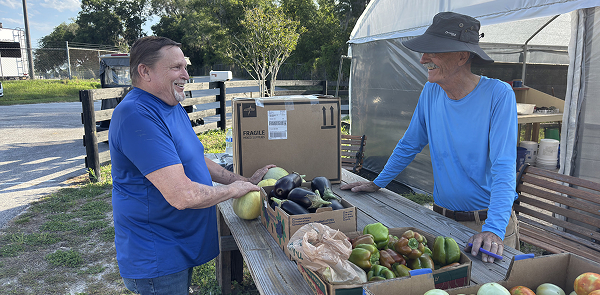
- Volunteer. Not only does volunteering help others, there is strong evidence that it gives you a mood boost as well. Find opportunities near you at www.volunteermatch.com.
- Visit a senior center. More than just bingo and knitting circles (although those are fun!), senior centers may offer classes, fitness activities and movie screenings.
- Pursue your interests. Find groups that enjoy the same things you do, whether that’s reading, playing music, painting, biking, swimming, golfing or cooking.
- Get online. There is a community for every interest in the world of social media.
- Find a part-time job. It can be hard to stay social after retirement. Carving out a few working hours during the week can provide new friends and some extra cash.
- Join a club or group. Numerous groups in the community get together to discuss specific topics. Consider a book or art club, creative writers group, or car restoration club.
- Join a gym or fitness class. Not only can this help you meet new people, it also helps you stay healthy, fit and balanced.
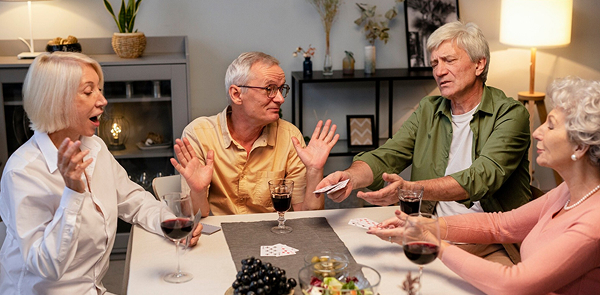
- Host a dinner party. You can choose to be the pioneer of social engagement in your neighborhood or social circle.
- Take chances. Accept invitations from others to get out of the house and be bold about making new connections.
- Staying social in a virtual world
- Many people use the internet to meet new people and/or stay in touch with friends and family. Social networking is the act of using website communities (Facebook, YouTube, Skype, blogs, etc.) to engage and communicate with others.
- If you’re meeting new people online, it’s important to be safe:
- Only meet in a public place for the first time you meet a person or a group.
- Take a friend along. This can help break the ice during those first few minutes, and it’s also a way to keep you safe.
- Keep your phone handy just in case you need it. This can help ensure you have a way of calling for help just in case you need it. It may also help to tell a friend or family member where you’re going and give them updates while you’re out.
- Don’t share too much information about yourself. Telling strangers lots of personal details isn’t good social etiquette and it can be dangerous.
Friendships go and grow
While expanding your social circle, it’s still important to feed your current friendships. Some friendships grow naturally and some need work.
Over time, show that you trust a friend or acquaintance by sharing more information about yourself, and ask them questions about what’s going on in their lives. This can help you learn more about each other, and find out what each other’s needs are.
Look for different ways to keep in touch with those you don’t see often. Touch base with them via phone or email regularly, and ask them if they’d like to get together for coffee, lunch or breakfast, or for a walk. For friends you don’t see for months or years at a time, keep in touch with birthday or holiday cards and phone calls.
Note: Don’t get stuck in your comfort zone. Look for a variety of groups of people where you may develop friends.
- Interested in learning more? Visit www.HumanaNeighborhoodCenter.com to register for live and on-demand health education classes.
This is for informational purposes only and does not replace treatment or advice from a healthcare professional. If you have questions, please talk with your doctor. Talk to your doctor before beginning an exercise program or making any changes to your diet.
Sources
- “Social isolation, loneliness in older people pose health risks”, National Institute on Aging, Last accessed May 22, 2025, https://www.nia.nih.gov/news/social-isolation-loneliness-older-people-pose-health-risks.

Why Join The VHA?
-
Communication
Bring YOUR voice to our community
-
Education
News and courses to enlighten and inform
-
Volunteering
Because we can't do our job without you!
-
Social Opportunities
Spend time with fellow residents and create friendships along the way
-
Philanthropy
Providing for those in need through our VHA Foundation and Helping Hands
Previous Article:
Health & Wellness
New Partnership Expands Veteran Access to Lifesaving TBI and PTSD Treatment
Next Article:

Recipes