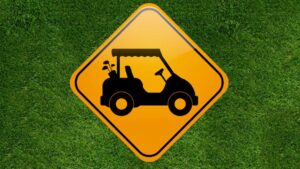

It was 1999, and I was driving without a license.
I was on vacation in a new city and state and, just as my mother had warned me, I had finally succumbed to peer pressure about drinking and driving. Except I was fifteen years old, and all we were drinking was lukewarm Sierra Mist.
The driving-without-a-license part was true, however, and I still remember the heady rush of freedom I felt zipping around town in my Uncle Dutch’s golf cart. It had all the bells and whistles, and as my cousin took a corner just a little too fast on a back road in downtown Annapolis, I may have already been destined for a career in insurance because my first thought was:
“I hope they have insurance.”
Whether you own the golf cart of your dreams like my Uncle Dutch did or you’re considering your next purchase this summer, here are six tips to help protect your golf cart and your wallet.
1. Bundle It
Already have auto or homeowners insurance? Great! Purchasing golf cart coverage from the same carrier could qualify you for a multi-policy discount. Ask about an agency bundle if you are working with a broker with access to multiple carriers.
It’s one of the easiest ways to enhance your coverage while potentially saving money.
2. Protect the Bells and Whistles
Have a customized cart with upgraded wheels, a lift kit, custom seats, premium lighting, or a sound system?
Make sure your policy covers those accessories. Standard policies may not automatically include custom upgrades and replacing them out of pocket can get expensive if they’re stolen or damaged.
3. Consider a Standalone Golf Cart Policy
Standalone golf cart policies are often surprisingly affordable and can provide coverage beyond your property line. (This is my personal recommendation!)
Depending on the policy, you may be able to add important protections such as:
- Liability coverage
- Medical payments coverage
- Uninsured or underinsured motorist coverage
- Physical damage coverage for your cart
The right policy helps protect you, your passengers, and your investment when unexpected accidents happen.
4. Don’t Rely Solely on Your Homeowners Policy
Many homeowners policies provide limited coverage for a golf cart, but typically only while it’s being used on your property.
Once you take your cart into the neighborhood, across town, or onto approved roadways, that protection may no longer apply.
Before assuming you’re covered, review your policy and speak with your insurance advisor about how and where you use your golf cart.
5. Know Your Cart Type
Not all golf carts are created equal.
Traditional golf carts generally travel at speeds under 20 mph. However, some modified carts can reach speeds between 20 and 25 mph or more and may qualify for street use under certain regulations.
Because coverage requirements differ depending on the type of vehicle you own, it’s important to understand where your golf cart fits and what insurance protections may be required.
6. Know Whether Your Vehicle Is an LSV
So, what exactly is an LSV?
A Low-Speed Vehicle (LSV) is similar to a golf cart but is designed to travel at speeds greater than 20 mph and up to 25 mph. LSVs are generally permitted on roads with posted speed limits of 35 mph or less, subject to local and state regulations.
Some golf carts are converted into LSVs, which means they may look similar but operate under very different rules.
Once your vehicle qualifies as an LSV, it typically requires registration, specific safety equipment, and insurance coverage similar to what you’d carry on an automobile.
Before you take it out for a spin, make sure you’re meeting all applicable requirements.
The fireflies don’t shine quite like I remember when I visit my cousin in Annapolis these days, and I’ve traded lukewarm Sierra Mist for an ice-cold Diet Pepsi. But one thing has definitely improved: golf carts keep getting better and better!
Stay safe this summer, and if you have questions about golf cart coverage, reach out to us at The Baldwin Group or stop by one of our seven locations in The Villages. We’d be happy to help.
Rachel Draker
Training Manager
The Baldwin Group
Why Join The VHA?
-
Communication
Bring YOUR voice to our community
-
Education
News and courses to enlighten and inform
-
Volunteering
Because we can't do our job without you!
-
Social Opportunities
Spend time with fellow residents and create friendships along the way
-
Philanthropy
Providing for those in need through our VHA Foundation and Helping Hands
Previous Article:

General
VPSD Fire Department
Next Article: